
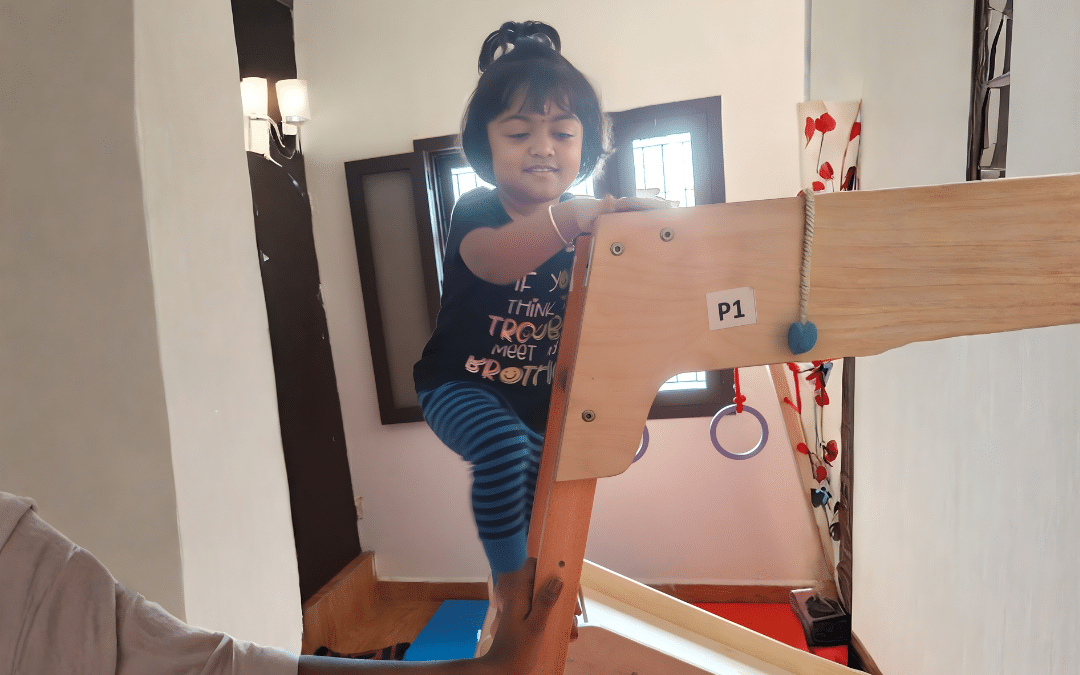
In Montessori, movement isn’t a distraction—it’s the pathway to learning and health.
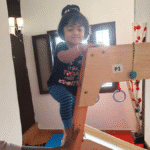
In a Montessori environment, movement is not just allowed—it’s celebrated. Children are naturally full of energy, curiosity, and the desire to explore through action. They learn best when their minds and bodies work together, which is why the Montessori approach integrates purposeful movement into every part of the day.
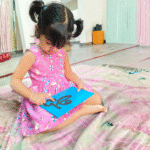
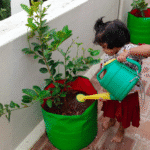
From carrying materials, sweeping, and gardening to pouring, cutting, and polishing, Montessori children engage in activities that strengthen both their gross and fine motor skills. These are not random tasks—they are purposeful exercises that help children gain control over their bodies, build coordination, and develop independence.
A Healthy Balance in the Modern World
In today’s world, children spend more time sitting than ever before. Studies show that on average, children spend 4–6 hours a day on screens, while less than one hour is spent in outdoor play (UNICEF India, 2023). This imbalance affects not only physical health but also appetite, sleep, and emotional well-being.
Many parents observe that their children don’t feel hungry at mealtimes or struggle to fall asleep at night. The reason often lies in underutilized energy—children are not moving enough to feel naturally tired or hungry. When children are active and engaged in meaningful physical work, their bodies function in rhythm: they eat well, sleep well, and grow well.
The Montessori Difference
Montessori classrooms restore this natural rhythm. Here, movement has a purpose. A child may be washing a table, arranging flowers, or scrubbing vegetables—not only refining coordination but also satisfying the deep human need to be useful and independent. This kind of purposeful physical work helps children release energy in healthy ways, leading to improved concentration, balanced emotions, and better physical health.
Moreover, in a society where safe play spaces are becoming limited and children often stay indoors, the Montessori environment offers an ideal alternative. It allows them to move freely, interact meaningfully with peers, and experience joy through activity and contribution.
A Foundation for Lifelong Well-being
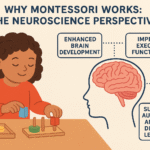
When children move with purpose, they don’t just grow stronger bodies—they develop focus, confidence, and a sense of satisfaction in their work. Montessori education nurtures this harmony between body and mind, ensuring that children grow up balanced, healthy, and happy.