
A Montessori Perspective – அMontessori Learning Centre
Morning routines are often seen as simple, everyday rituals. But in a child’s development, the first hour after waking carries far more weight than most adults realise. This window quietly shapes how the child will think, choose, respond, and learn for the rest of the day.
The First Morning Hour: A Foundation for Cognitive and Emotional Readiness
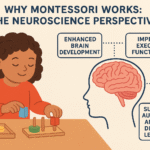
Child development research consistently shows that the way a child begins the morning has a strong influence on their cognitive alertness, emotional balance, and openness to learning. When children start their day with freedom to make their own choices—however small—they activate essential areas of the brain responsible for:
- Decision-making
- Problem-solving
- Self-regulation
- Intrinsic motivation
Educators widely agree that children who experience early-morning autonomy tend to show greater engagement and independence throughout the day.
Why Independent Choices Matter
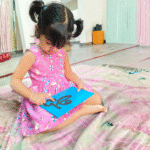
When a child independently chooses something—like what to wear, which book to look at, or pouring water into their cup—they are practicing:
- Executive functioning
- Fine motor skills
- Planning and sequencing
- Self-confidence and responsibility
These skills form the foundation of lifelong learning.
Studies indicate that children who regularly practice independent choice are more likely to stay active, curious learners compared to those whose early routines are fully directed by adults. Even a few minutes of meaningful choice can shift a child from a passive responder to an active explorer.
When Adults Over-Direct: The Passive Learner Pattern
If a child’s morning is filled with instructions—
“Wear this.”
“Eat this.”
“Come here.”
“Do this now.”
—they naturally move into a passive learning state. Their brain switches from decision-maker to instruction-follower.
Teachers in classrooms often observe this pattern:
Children who begin their day passively may continue expecting adults to initiate tasks, solve problems for them, or motivate them. This makes the teacher’s work through the day more focused on activating the child rather than guiding them.
Simple, Meaningful Ways to Build Independence Every Morning
Parents, educators, and caregivers can offer small, safe, culturally meaningful choices that help the child feel capable and trusted.
Examples of independent choices:
- Choosing their dress from two or three options
- Pouring their own drinking water
- Selecting their breakfast plate or spoon
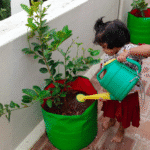
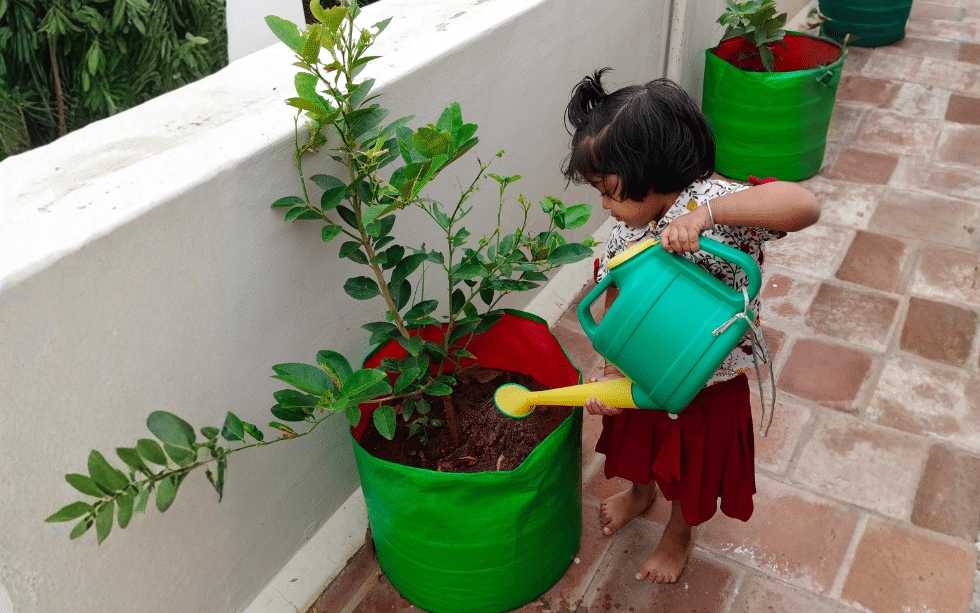
- Watering plants or feeding pets
- Helping draw a small part of the morning kolam
- Cleaning or wiping a part of the family vehicle
- Arranging their school bag
- Choosing a book or small activity during the first minutes of the day
These are not chores—they are opportunities. Each one teaches the child:
“I am capable. I can contribute. I can make decisions.”
How This Translates in the Montessori Environment
In Montessori education, independence is not a goal—it is the method.
When children arrive after a morning that respected their choices, teachers often notice:
- Better concentration
- Longer engagement in purposeful work
- Greater confidence in new tasks
- More resilience during challenges
- A naturally calmer emotional state
Children who begin their day as active participants at home naturally continue that pattern in their learning environment.
Empowering Children Today Builds the Adults of Tomorrow
When we give children the space to make meaningful choices each morning, we are not just preparing them for the day—we are preparing them for life.
We are cultivating:
- Confidence
- Responsibility
- Self-awareness
- Inner discipline
- Joy in learning
As parents and academicians, the most impactful gift we can offer is not perfection—it is trust in their abilities and meaningful opportunities to develop independence.